Models - LetsEvaluate.in
Explore our highly accurate evaluation models designed to help you make data-driven decisions across various aspects of life.
Dronacharya: Job Evaluation Model
Dronacharya is our evaluation model designed to help you make informed career decisions. Whether you're considering a new job offer or evaluating your current position, Dronacharya provides a comprehensive, data-driven analysis.
Did You Know?
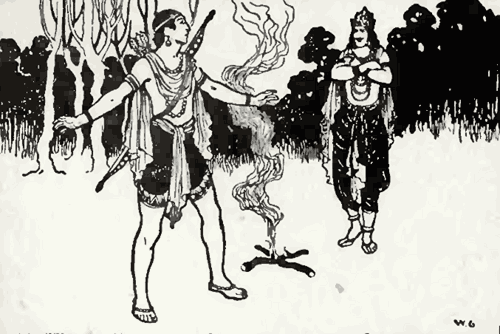
Drona and Drupada (source: Wikipedia)
Dronacharya, or Drona, was a legendary Brahmin warrior-sage and the revered Royal Preceptor (guru) in the Indian epic Mahabharata, famous for masterfully training the Kauravas and Pandava princes, including Arjuna, in advanced warfare, archery, and divine weapons, though he remained loyal to the Kaurava throne despite favoring the Pandavas. Born from a vessel (Drona) after his father Bharadwaja saw the celestial nymph Ghritachi, he became a formidable teacher known for his skills but also for his difficult decision regarding his student Eklavya.
Key Aspects of Dronacharya:
- • Birth & Name: His name "Drona" comes from the drona (wooden pot) in which he was conceived after his father, Bharadwaja, saw the Apsara Ghritachi.
- • Teacher of Princes: He was the esteemed guru to both the Pandavas and Kauravas, imparting unparalleled skills in combat, archery, and divine weapons.
- • Skills: A master of military arts, he trained princes in archery, mace fighting, and wielding celestial weapons like the Brahmastra.
- • Loyalty vs. Dharma: Despite his affection for the Pandavas, especially Arjuna, his loyalty to the Hastinapur throne forced him to fight against the Pandavas in the Kurukshetra War.
- • The Eklavya Incident: He famously refused to teach Eklavya, a tribal boy, due to his caste, but later asked for Eklavya's thumb as guru-dakshina (teacher's fee), a controversial act highlighting the complexities of duty and caste in the epic.
Legacy:
Dronacharya remains a significant figure, symbolizing the profound role of a guru, the conflict between duty and personal feelings, and the complexities of righteousness in ancient Indian narratives.
What Does Dronacharya Evaluate?
The Dronacharya model analyzes
17 critical job parameters divided into two
categories:
• Career and Financial Factors:
Career
advancement opportunities, skill development, industry reputation,
salary, bonuses, benefits, cost of living, etc.
• Work-Life Balance:
Work hours, commute
time, flexibility, stress levels, company culture, and personal
well-being
How It Works
Dronacharya uses a sophisticated multi-step wizard to collect information about your current situation and job details. The model then run its own algorithms and calculates a comprehensive job score (0-10) with personalized AI-powered insights powered by Google Gemini.
Key Features
• Persona-based evaluation
• Dynamic scoring algorithm that
adapts to your persona
• Detailed parameter breakdown with
red flag identification
• AI-generated personalized insights
to understand the evaluation better
• 100% anonymous - no
data stored on our servers
Shantideva: Sleep Evaluation Model
Shantideva is our comprehensive sleep health evaluation model. Quality sleep is the foundation of physical health, mental clarity, and overall well-being.
Did You Know?
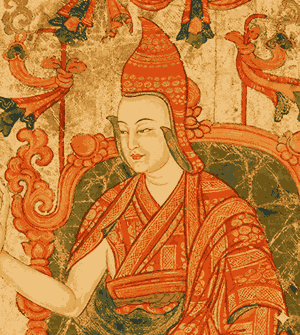
Shantideva (source: Wikipedia)
Shantideva (c. 7th-8th century CE) was a revered Indian Mahayana Buddhist monk, philosopher, and poet from the Nalanda monastic university known for his profound ethical teachings, especially the ideal of the bodhisattva (enlightened being) in his works like the Bodhicaryāvatāra (Guide to the Bodhisattva Way of Life). Despite a legendary life story that includes being mocked by fellow monks for perceived laziness, he became a cornerstone of Tibetan Buddhism, emphasizing compassion, wisdom, and practical ethics.
Key Aspects of Shantideva:
- • Major Works: His two most famous texts are the Bodhicāryāvatāra (Engaging in the Bodhisattva Behavior) and the Śikṣāsamuccaya (Compendium of Training).
- • Core Teachings: He synthesized the Madhyamaka philosophy (emptiness) with the path of the bodhisattva, focusing on developing bodhicitta (the aspiration for enlightenment for all beings).
- • Ethical Foundation: His writings provide a deep, philosophical basis for Buddhist ethics, considered one of the most significant contributions to ethical theory.
- • Life Story: Legend says he was born a prince, chose monastic life, and was ridiculed at Nalanda for appearing lazy, only to reveal his profound wisdom by reciting the Bodhicāryāvatāra, which caused many to see the deity Manjushri and some monks to disappear in awe.
- • Influence: Hugely influential in the Tibetan Buddhist tradition, his works remain central to Buddhist study and practice globally.
Legacy:
In essence, Shantideva provided timeless guidance on how to live a compassionate and wise life, deeply rooted in Mahayana philosophy.
What Does Shantideva Evaluate?
The Shantideva model examines your sleep quality through
multiple dimensions:
• Sleep Metrics: Duration, sleep latency,
interruptions, consistency, and napping patterns.
• Symptoms & Warning Signs: Daytime fatigue,
concentration issues, mood changes, and physical symptoms.
• Lifestyle Habits: Caffeine/alcohol consumption,
exercise routines, screen time, bedroom environment.
How It Works
Through a guided 4-step questionnaire with 25 questions, Shantideva collects data about your sleep patterns over the past week. The model then generates a sleep quality score (0-10) with age-appropriate recommendations and identifies potential sleep disorders.
Key Features
• Age-based sleep requirement analysis
• Based on scientifically based scales such as:
PSQI,
ISI
,
ESS
,
AIS
,
Berlin Questionnaire
,
Stop-Bang Questionnaire.
• Revenge Bedtime Procrastination (RBP) assessment and solutions
• AI-powered personalized sleep improvement strategies
• Red flag identification for serious sleep issues
• Medical consultation alerts when necessary
• AI-generated personalized insights to understand the evaluation
better
• 100% anonymous - no data stored on our servers
Siddhartha: Well-Being Evaluation Model
Siddhartha is our comprehensive well-being evaluation model designed to assess long-term happiness, life satisfaction, and psychological flourishing. Based on decades of research in positive psychology, behavioral economics, and epidemiology.
Did You Know?
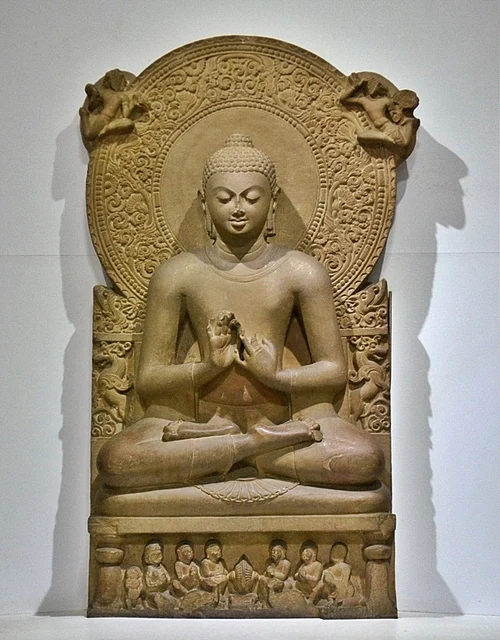
Siddhartha (source: Wikipedia)
Siddhartha Gautama was a spiritual leader and prince from ancient India (present-day Nepal) who, after witnessing suffering, renounced his luxurious life to seek enlightenment, eventually becoming the "Buddha" (the Awakened One) and founding Buddhism, a path focused on ending suffering through meditation, wisdom, and ethical conduct, making him one of history's most influential figures.
Key Aspects of Siddhartha:
- • Birth & Early Life: Born a prince around the 6th-5th century BCE in Lumbini (Nepal), his father shielded him from the harsh realities of life, ensuring a privileged upbringing.
- • The Turning Point: At age 29, he encountered old age, sickness, and death, prompting a profound spiritual quest to understand suffering.
- • The Search: He left his palace, lived as an ascetic, practiced intense self-mortification, and meditated, eventually realizing true liberation came from within the mind, not extreme denial.
- • Enlightenment (Nirvana): He attained enlightenment (Nirvana) under the Bodhi tree in Bodh Gaya, India, understanding the nature of reality and the path to freedom from suffering.
- • The Buddha: After his awakening, he became known as the Buddha, meaning "the awakened one," and spent decades teaching his followers, establishing the monastic order (Sangha).
- • Legacy: His teachings formed the foundation of Buddhism, emphasizing mindfulness, compassion, and the Four Noble Truths, influencing billions globally.
In essence, Siddhartha Gautama was the historical person whose journey from prince to enlightened teacher established one of the world's major religions, focusing on spiritual awakening and the cessation of suffering.
What Does Siddhartha Evaluate?
The Siddhartha model evaluates human well-being across
4 major domains:
• Foundation: Big Five personality traits,
hedonic well-being, physical & mental health, stress levels.
• Functioning: Ryff's six dimensions of
psychological well-being, flow state, resilience, work-life,
exercise, sleep quality, and addiction behaviors.
• Life: PERMA model markers, social capital,
loneliness, optimism, gratitude, social comparison, nature
exposure, and religious practices.
• Resources: Financial security, basic
necessities (Maslow's hierarchy), government satisfaction,
relative vs absolute income, financial stress, wants vs desires
fulfillment.
How It Works
Siddhartha uses a sophisticated multi-step questionnaire based on your general state over the last 3 months. The model then applies advanced algorithms including conflict detection, user flag identification, and penalty/bonus multipliers to generate a comprehensive well-being score (0-10) with an evaluation confidence rating.
Key Features
• Based on scientifically backed scales such as:
Five Factor Model (FFM),
Hedonism,
Eudaimonic Well-being,
Ryff's Six Dimensions,
PERMA Model,
Day Reconstruction Method (DRM),
LOT-R
,
GQ-6,
Brief Resilience Scale (BRS), and
Maslow's Hierarchy of Needs.
• Advanced conflict detection to identify inconsistent responses.
• Highlighting of applicable User Flags (e.g., Wealthy Isolation,
Lucky Yet Unhappy, Social Comparison Trap, Languishing Profile,
etc.).
• Age and gender-specific considerations.
• Penalty/bonus multipliers for critical factors (e.g., severe
addiction, high resilience, etc.).
• Evaluation
confidence rating with re-evaluation suggestions.
•
AI-generated personalized insights to understand the evaluation
better.
• 100% anonymous - no data saved to our
servers.
Upcoming Evaluation Models
We're constantly working on new evaluation models to help you make better decisions across all aspects of life. Here's what's coming soon:
📚 Passion Evaluator
Evaluate whether your passion is just a passing interest or a true calling for your future.
Upcoming💼 Business Idea Evaluator
Assess business ideas with market analysis, feasibility scoring, and risk assessment.
Upcomingt❤️ Relationship Evaluator
Evaluate relationship health, compatibility factors, and patterns for personal relationships.
Upcoming😵💫 Addiction Evaluator
Assess whether your behaviour is just a normal habit or a harmful addiction.
Upcoming🤯 Schizophrenia Evaluator
Assess whether someone has schizophrenia or is at risk of developing.
UpcomingWant to Suggest a Model?
If you have any idea for an evaluation model that could make people's lives easier, we'd love to hear from you!
Become a Contributor